
A Brief History of the Fountain Pen: From Quills to Craftsmanship
- Burak Şahin
- May 11, 2025
- 3 min read
In an age of digital communication and instant messaging, it's easy to forget that not so long ago, putting pen to paper was the primary way humans recorded thoughts, signed treaties, wrote poetry, and shared love. And at the heart of this tradition lies one iconic tool: the fountain pen.
But how did this elegant writing instrument come to be? Let’s take a step back in time.
✒️ The Origins: From Quills to Reservoirs
Before the fountain pen, there were quill pens—feathers sharpened and dipped into ink. Used for centuries, they were romantic but inconvenient: frequent dipping, blotting, and inconsistent ink flow made writing a chore.
As early as the 10th century, inventors dreamed of a self-contained ink system. One of the earliest known references to a pen with an ink reservoir comes from al-Mu'izz, a caliph of the Fatimid dynasty in Egypt. He requested a pen that wouldn't stain his hands or clothes—a revolutionary idea at the time.
🛠️ The Birth of the Modern Fountain Pen
Fast forward to the 19th century, and technology finally caught up with imagination. In the early 1800s, various patents emerged for pens with internal ink reservoirs. But it wasn’t until Lewis Waterman, an insurance salesman from New York, developed a capillary feed system in 1884 that the modern fountain pen truly took shape.
Waterman's invention allowed for a controlled and consistent ink flow—no more leaking or blotting. His pen could write reliably, and that changed everything.
✅ The fountain pen was no longer an experiment. It was a revolution.
📈 The Golden Age: Style Meets Innovation
The late 1800s to the mid-1900s marked the Golden Age of fountain pens. Brands like Parker, Sheaffer, Montblanc, and Pelikan began producing high-quality pens that combined innovation with luxury.
New features emerged:
Self-filling mechanisms
Gold nibs with intricate engravings
Celluloid and resin bodies in rich colors
Clip designs and sleek cases for portability
During this period, the fountain pen became more than a tool—it became a status symbol and a beloved everyday companion for writers, professionals, and students alike.
🖊️ The Decline and the Comeback
The invention of the ballpoint pen in the 1940s—cheap, durable, and low-maintenance—threatened to end the fountain pen's reign. Mass adoption followed, and fountain pens became niche, even obsolete, in many parts of the world.
But a funny thing happened: they never truly disappeared.
Over the last two decades, fountain pens have experienced a renaissance. Writers, artists, calligraphers, and collectors rediscovered their charm. Today, there’s a growing appreciation for craftsmanship, analog expression, and the tactile joy of writing by hand.
🔮 The Fountain Pen Today: Tradition Meets Art
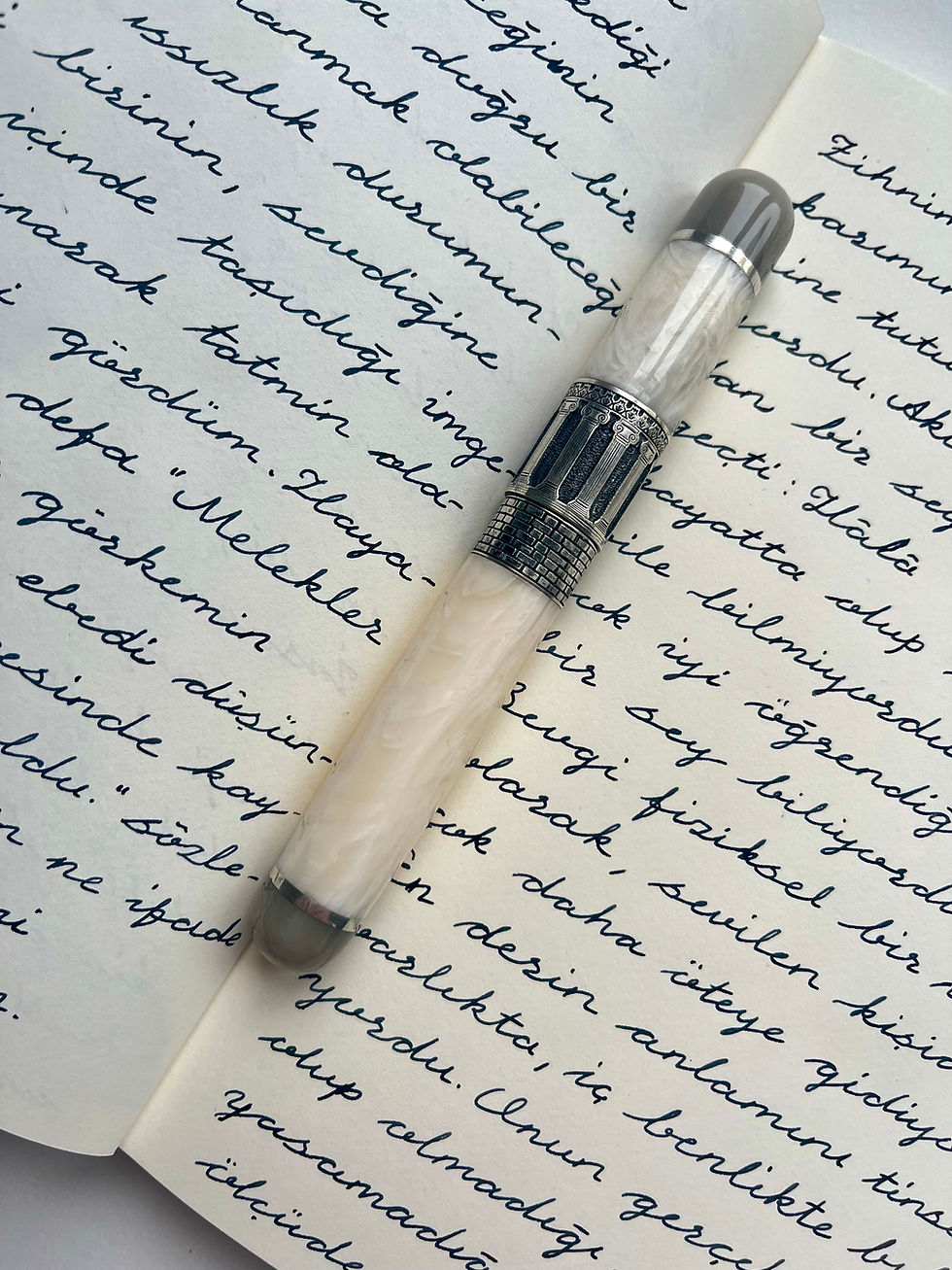
Modern fountain pens range from everyday writers to handmade art pieces crafted from exotic woods, precious metals, and hand-polished resins. Whether mass-produced or artisan-made, they continue to captivate with their form, function, and emotional resonance.
They are gifted on graduations, cherished in collections, and used to sign important moments in life. They remind us to slow down, be intentional, and find meaning in the written word.
📜 Final Thoughts: Writing Through Time
From ancient scribes to modern-day makers, the fountain pen has journeyed through empires, revolutions, and eras of innovation. It has adapted, endured, and inspired.
To hold one is to hold history.To write with one is to connect with every hand that came before you.
Whether you're a seasoned collector or a curious beginner, remember:When you write with a fountain pen, you're not just writing—you’re continuing a legacy.


Comments